Roof Repair
Quick fixes for leaks, damaged shingles, flashing issues, and water intrusion.
Home/City guides/ Cupertino
A local roofing guide · CA
sits at roughly 150–200 feet elevation in Santa Clara County, where dry summers and a persistent marine layer set the rhythm for every rooftop.
Roofing enquiries: 6504145505A referral service. Independent local providers perform the work; confirm coverage, availability and charges directly.
Before comparing quotes
Compare scope before price
No price range is supplied in this guide. Ask the independent provider for a written estimate for your property.
Compare tear-off versus overlay and allowances for concealed decking damage.
Compare underlayment, flashing replacement and the proposed roof system, not just the covering.
Confirm permit responsibility, disposal and inspection charges before authorising work.
Match the request to the roof
Our roofing crews serve Cupertino and neighboring Santa Clara County communities.
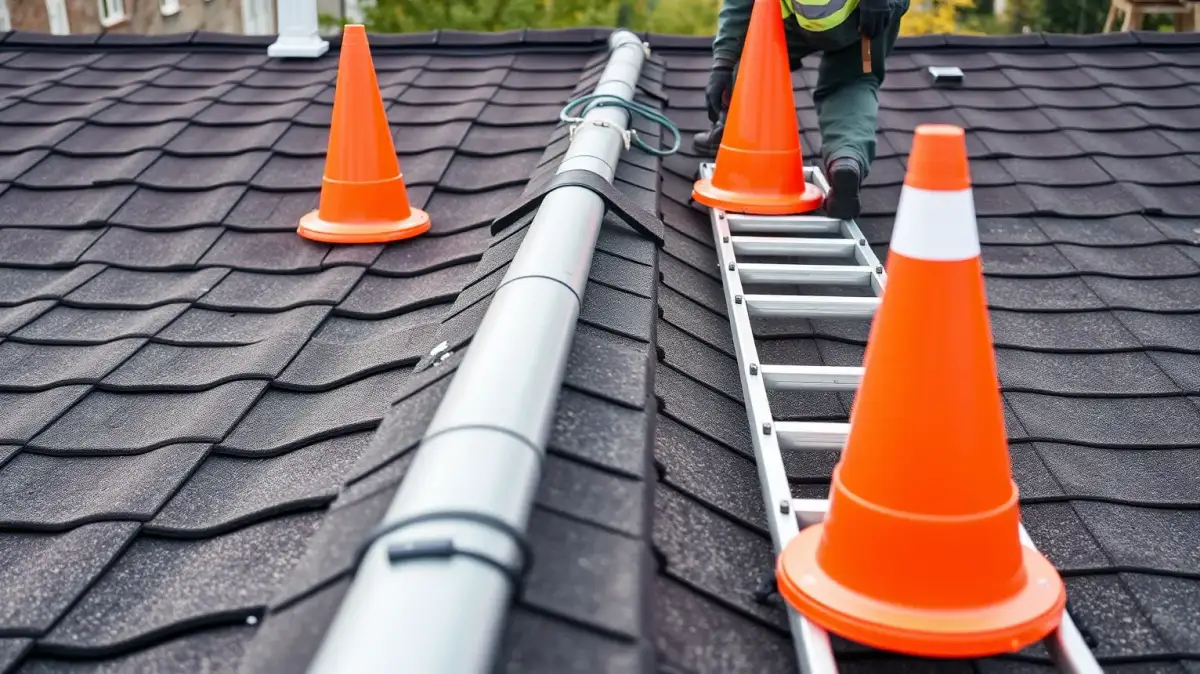
Quick fixes for leaks, damaged shingles, flashing issues, and water intrusion.
Full tear-off and new install with modern underlayment and shingles.
Standing-seam and corrugated panels that last 40+ years in heat and storms.
New gutters, downspouts, and soffit venting to shed water and prevent ice dams.
Same-day response for storm damage and leaks before rain causes more harm.
Detailed assessment of shingles, flashing, deck condition, and ventilation.
Property, access & exposure
Mid-century ranch homes from the 1950s-1960s dominate certain neighborhoods here; they often have low-slope roofs and original framing that may have settled.
Contemporary suburban single-family homes built in the 1970s-1980s carry slightly better materials but often need roof updates after 30+ years.
Modern luxury estates and newly renovated properties feature complex hip-and-gable designs, skylights, and dormers that require sophisticated flashing details.
Roofing in Cupertino
Cupertino sits at roughly 150–200 feet elevation in Santa Clara County, where dry summers and a persistent marine layer set the rhythm for every rooftop.
Morning fog wets the roof deck, then sun bakes it dry by noon. That cycle is hard on sealant and flashing.
Housing stock splits into clear eras. Mid-century ranch homes dominate the De Anza and Tantau Avenue district, many still carrying original wood shake or three-tab shingle.
The Homestead Road area and Stevens Creek corridor hold 1970s–1980s contemporary suburban homes with low-slope sections, valleys, and complex rooflines.
Near Apple Park and Vallco, modern luxury estates use standing-seam panel, slate, and concrete tile.
Winter storms are the real test. Heavy rain finds every failed pipe boot, lifted ridge cap, and cracked chimney flashing.
On 1950s ranches, the usual culprits are dried-out mastic, brittle felt, and rusted fasteners that back out of aging plywood.
What Roof Maintenance Includes
Maintenance is a defined scope, not a look-over from the driveway.
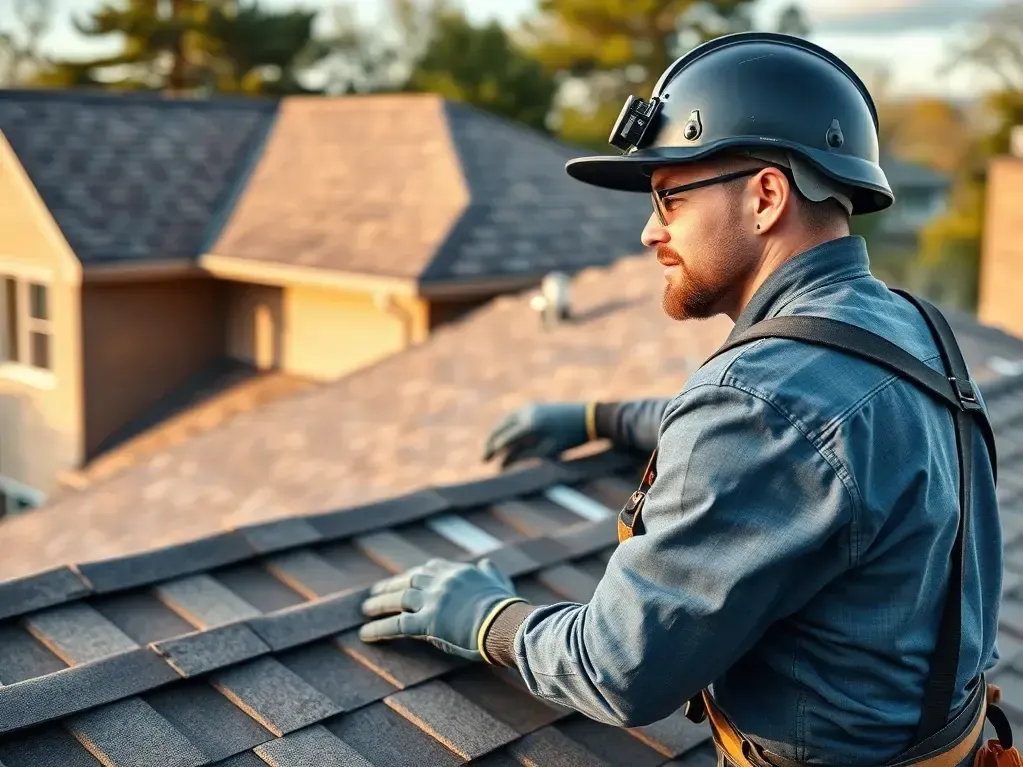
Crews work with ladder, scaffold, and safety harness where pitch demands it. A roofing square, nail gun, pry bar, and roofing shovel handle tear-off and repair.
Synthetic underlayment and ice-and-water shield go under any replaced section. A dumpster takes the debris.
Quality & Materials Standards
Material choice follows the roof, not a catalog. Architectural shingle and dimensional laminated products suit most pitched Cupertino homes.
Three-tab shingle is lighter and cheaper but short-lived under UV degradation.
Wood shake and cedar shake need ongoing sealing; slate and clay tile last decades but demand sound decking and truss support.
Low-slope areas call for membrane systems: TPO, EPDM, PVC membrane, or modified bitumen over a built-up roof base.
Metal panel — standing-seam panel and corrugated panel — handles marine-layer moisture well when seams and fasteners are correct.
Every replacement respects building code for ventilation, drip edge, and vapor barrier. Soffit vent and ridge vent keep the attic breathing.
Ponding water on flat sections signals a drain or pitch problem, not a coating fix — though elastomeric coating, acrylic coating, and silicone coating have real uses when the substrate is sound.
Storm damage claims move fast when documentation is clean.
A roofer should provide an estimate, scope of work, and proof of loss photos before an adjuster visits. Know your deductible, depreciation, and replacement cost.
Mitigation — a tarp over a breach — comes first. A supplement follows if hidden damage appears.
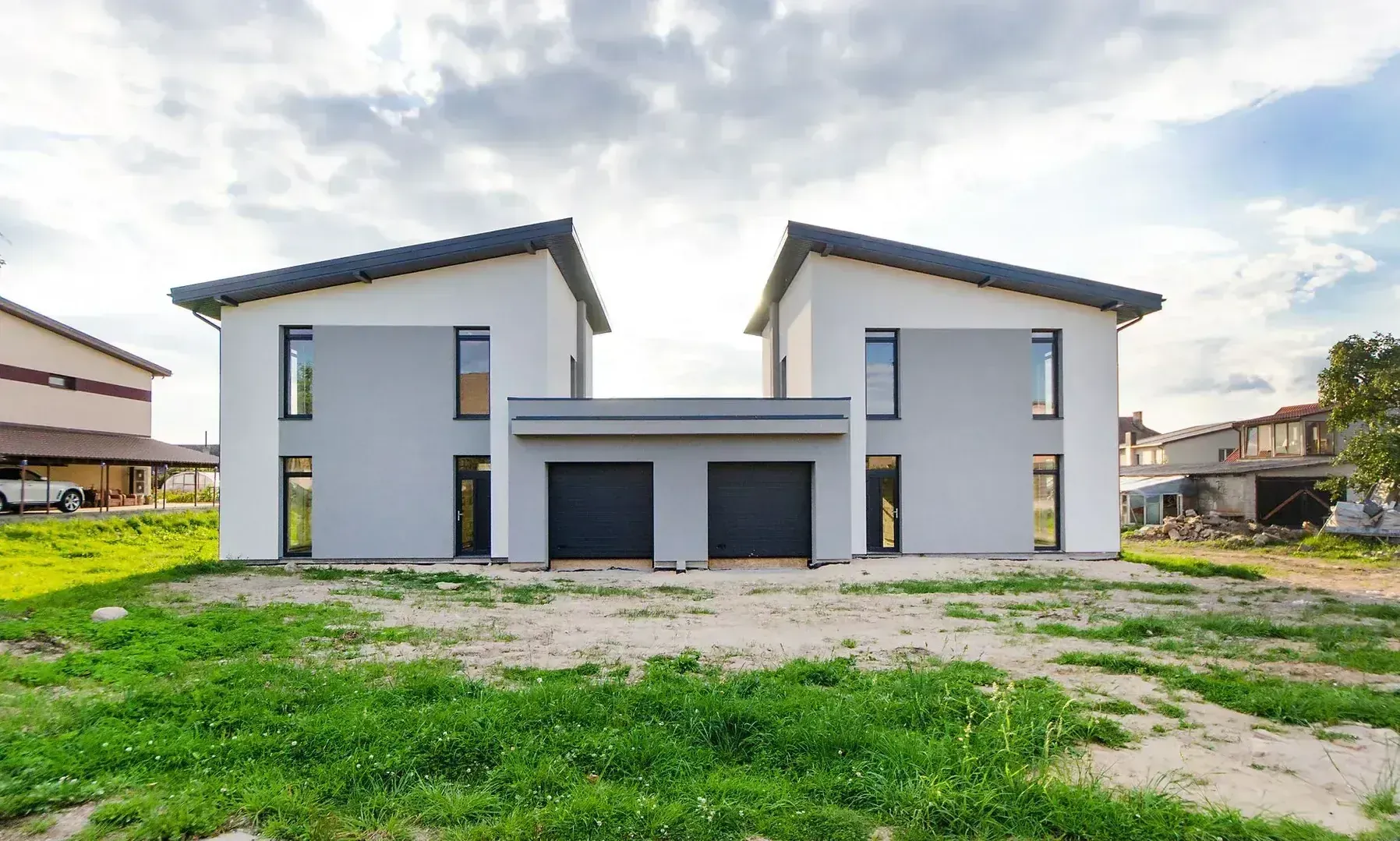
Near the Vallco Shopping Mall, roofs mix commercial parapet systems with residential pitched work.
Around De Anza College, mature trees drop debris that traps moisture on the roof deck.
This corridor carries a wide range of home ages, so materials vary block to block.
Quiet residential streets where low-slope additions sit beside steep main roofs.
A pocket of mid-century homes where original details still shape the roofline.
Getting ahead of winter saves the most money.
Book a roof inspection before the first storm, or call (650) 414-5505 and send photos through our contact form for a written roof estimate.
COVERAGE: 62/94 canonical terms used; missing: mansard, gambrel, canopy, awning, overhang, purlin, batten, counterbatten, verge, snow guard, anchor, hip, gable, truss, rafter, joist, ridge beam, osb, substrate, decking, waterproofing, weatherproofing, primer, cure time, coverage rate, tensile strength, blistering, hail damage, deductible, depreciation, policy coverage, roofing square
Before booking
Asphalt shingles and architectural shingles handle intense summer heat well. Metal roofing reflects sun and lasts 40+ years.
For mid-century homes, cedar shake or slate offer durability but require more maintenance during wet winters.
We recommend annual inspections, especially after winter storms. Cupertino's intense summer sun ages shingles quickly; fall inspection catches damage before heavy rains arrive.
Flashing failures at valleys and chimneys, granule loss exposing the substrate, and ice-and-water shield breakdown are common.
Winter rains quickly expose these weak points and cause water intrusion.
Call for roofing enquiries. Confirm coverage and availability with the independent provider before booking.
Call (650) 414-5505