Roof Repair
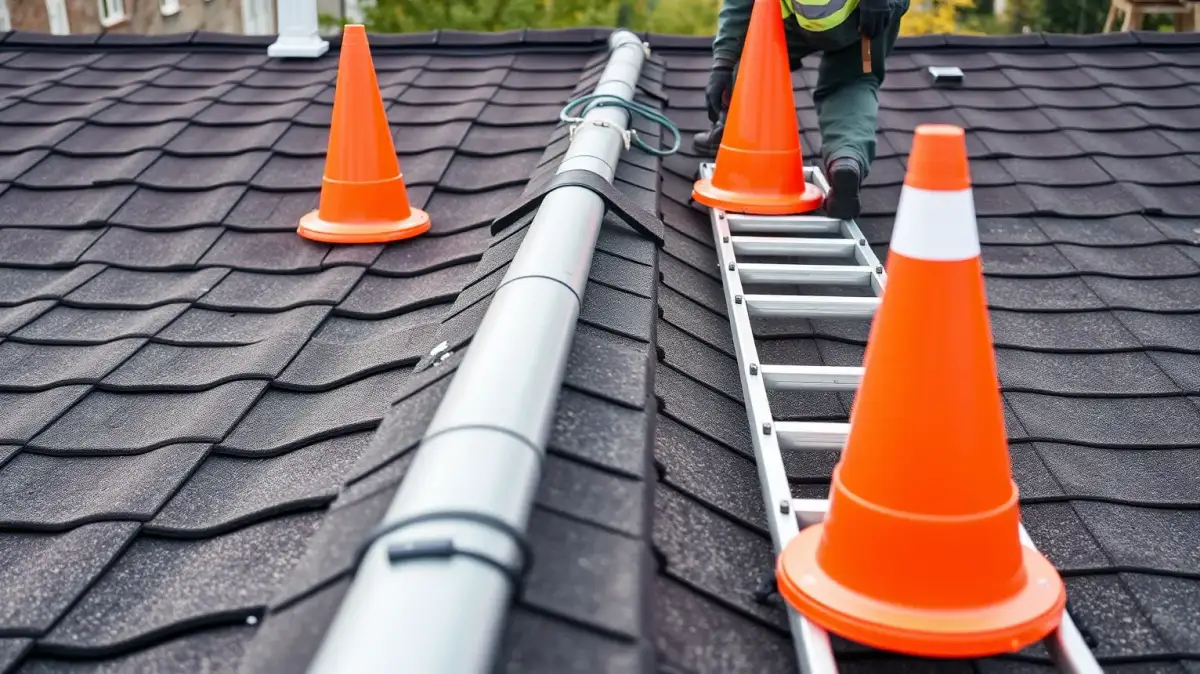
We repair damaged shingles, flashing, gutters, and underlayment to stop water intrusion and wood rot.
Home/City guides/ Saratoga
A local roofing guide · CA
Saratoga's winter rains and steep terrain stress roofing systems beyond their designed capacity.
Roofing enquiries: 6504145505A referral service. Independent local providers perform the work; confirm coverage, availability and charges directly.
Before comparing quotes
Compare scope before price
No price range is supplied in this guide. Ask the independent provider for a written estimate for your property.
Compare tear-off versus overlay and allowances for concealed decking damage.
Compare underlayment, flashing replacement and the proposed roof system, not just the covering.
Confirm permit responsibility, disposal and inspection charges before authorising work.
Match the request to the roof
We serve all neighborhoods in Saratoga and surrounding Santa Clara County foothills.
We repair damaged shingles, flashing, gutters, and underlayment to stop water intrusion and wood rot.
Complete tear-off and installation of new roofing system including substrate, underlayment, fasteners, and proper ventilation.
We assess condition of shingles, valleys, ridge cap, flashing, gutters, soffit vents, and roof deck for damage.
Same-day response to active water intrusion, dripping ceilings, and storm damage from heavy winter rains.
Expert installation of standing-seam metal panels, corrugated panels, slate, or clay tile with counter-flashing.
Installation and repair of gutters, downspouts, soffit vents, fascia, drip edge, and drainage infrastructure.
Property, access & exposure
West Valley and Prospect Road areas feature mid-century ranches and Mediterranean estates with complex rooflines and multiple valleys prone to water pooling.
Saratoga Village has luxury homes with tile and slate roofing requiring specialized expertise.
The steep terrain and oak woodland setting create drainage challenges — gutters and downspouts must handle runoff efficiently to prevent water intrusion.
Winter rains with occasional heavy downpours demand attention to flashing, drip edge, and underlayment — water seeps quickly through compromised ice-and-water shield and wicks along the roof deck toward the interior.
Fog and moisture from bay proximity create environments where coatings peel, roofing felt degrades, and membranes deteriorate faster than in drier climates; regular roof inspection catches these failures early.
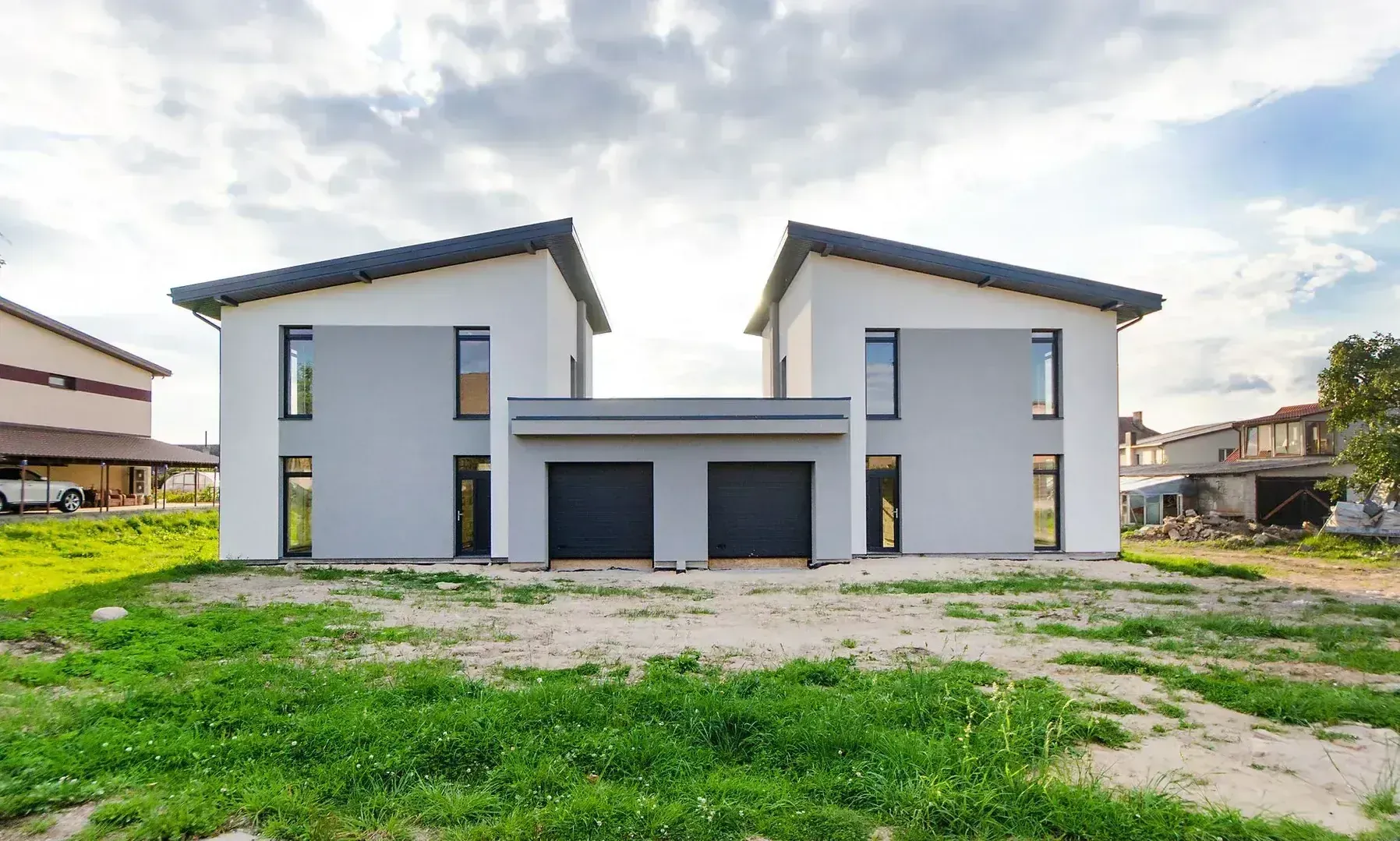
Mid-century modern homes with complex rooflines, multiple valleys, and steep pitches are especially vulnerable to wind uplift and leak propagation where water pools in valleys.
Spanish colonial and Mediterranean-style homes often have tile or slate roofing that demands expert-level repair; a single cracked tile can allow years of water intrusion into the substrate.
Newer estates with larger roof areas require more fasteners, more sealant, and careful attention to step flashing, counter-flashing, and chimney flashing — the details where water intrusion begins.
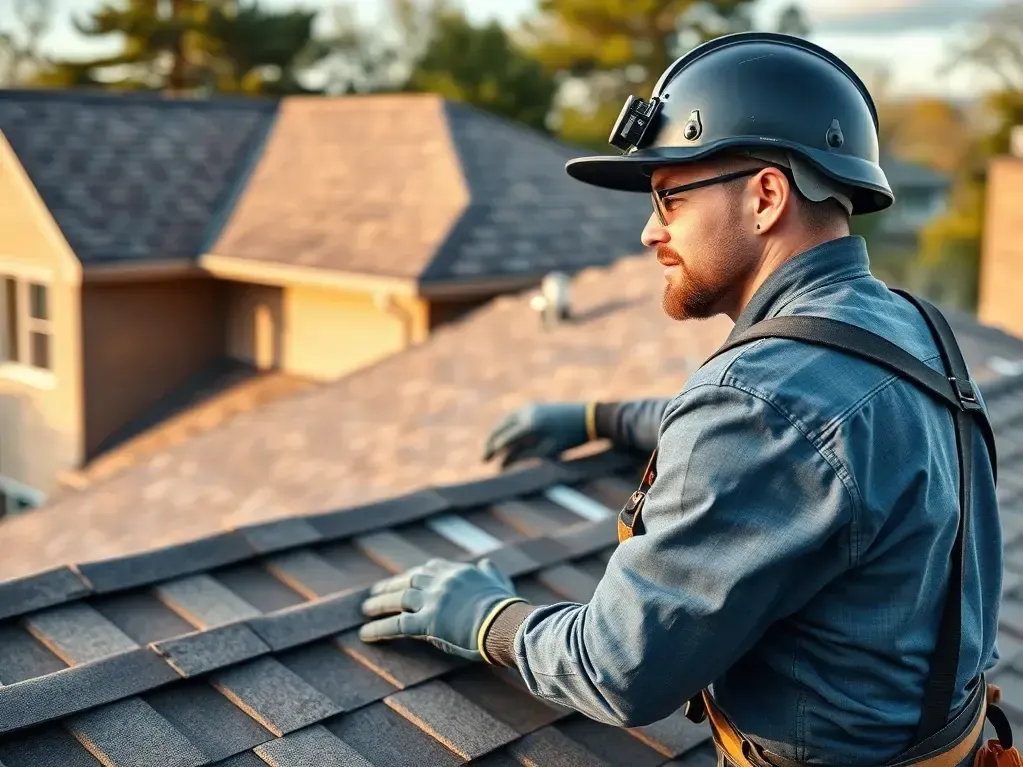
We inspect every ridge cap, soffit vent, gutter, and downspout to ensure proper waterproofing and ventilation before water damage reaches the structure.
Before booking
Yes. Heavy rain pushes water through gaps in flashing and under shingles when the roof deck is saturated.
We inspect valleys, drip edge, and ice-and-water shield after storms to catch leaks before they cause rot in the substrate.
Asphalt shingles with strong fasteners and good underlayment perform well. Metal panels and standing-seam systems resist moisture and fog better.
Slate and tile demand expert installation of counter-flashing and chimney flashing to prevent water intrusion through the substrate.
Annual roof inspection catches granule loss, weathering, and flashing decay early.
After winter storms, we recommend immediate inspection of ridge cap, valleys, and gutters to assess damage and prevent water intrusion into your attic.
Call for roofing enquiries. Confirm coverage and availability with the independent provider before booking.
Call (650) 414-5505