Roof Repair
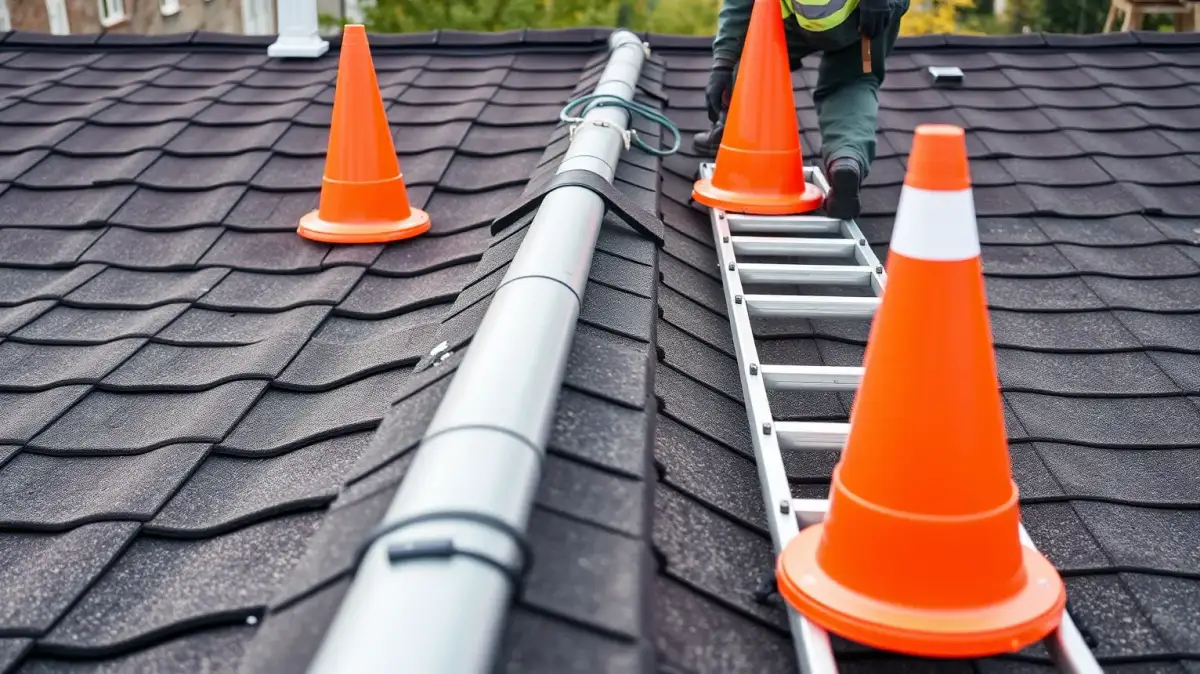
We restore damaged shingles, seal leaks, and repair flashing to prevent water intrusion.
Home/City guides/ Fremont
A local roofing guide · CA
Fremont roofs face brutal summer heat and rare but intense storms—we specialize in both.
Roofing enquiries: 6504145505A referral service. Independent local providers perform the work; confirm coverage, availability and charges directly.
Before comparing quotes
Compare scope before price
No price range is supplied in this guide. Ask the independent provider for a written estimate for your property.
Compare tear-off versus overlay and allowances for concealed decking damage.
Compare underlayment, flashing replacement and the proposed roof system, not just the covering.
Confirm permit responsibility, disposal and inspection charges before authorising work.
Match the request to the roof
We serve all neighborhoods in the Centerville, Niles, Warm Springs, and South Fremont areas.
We restore damaged shingles, seal leaks, and repair flashing to prevent water intrusion.
Complete tear-off and new roof installation with underlayment, flashing, and gutters sized for local climate.
Seamless gutters, downspouts, and ice-and-water shield to protect roof edges from water damage.
Emergency response for hail, wind, and water damage with insurance coordination and debris removal.
Detailed assessment of shingles, flashing, valleys, skylights, and ventilation to catch problems before they worsen.
Same-day response to roof leaks with temporary tarping and permanent repair once conditions allow.
Property, access & exposure
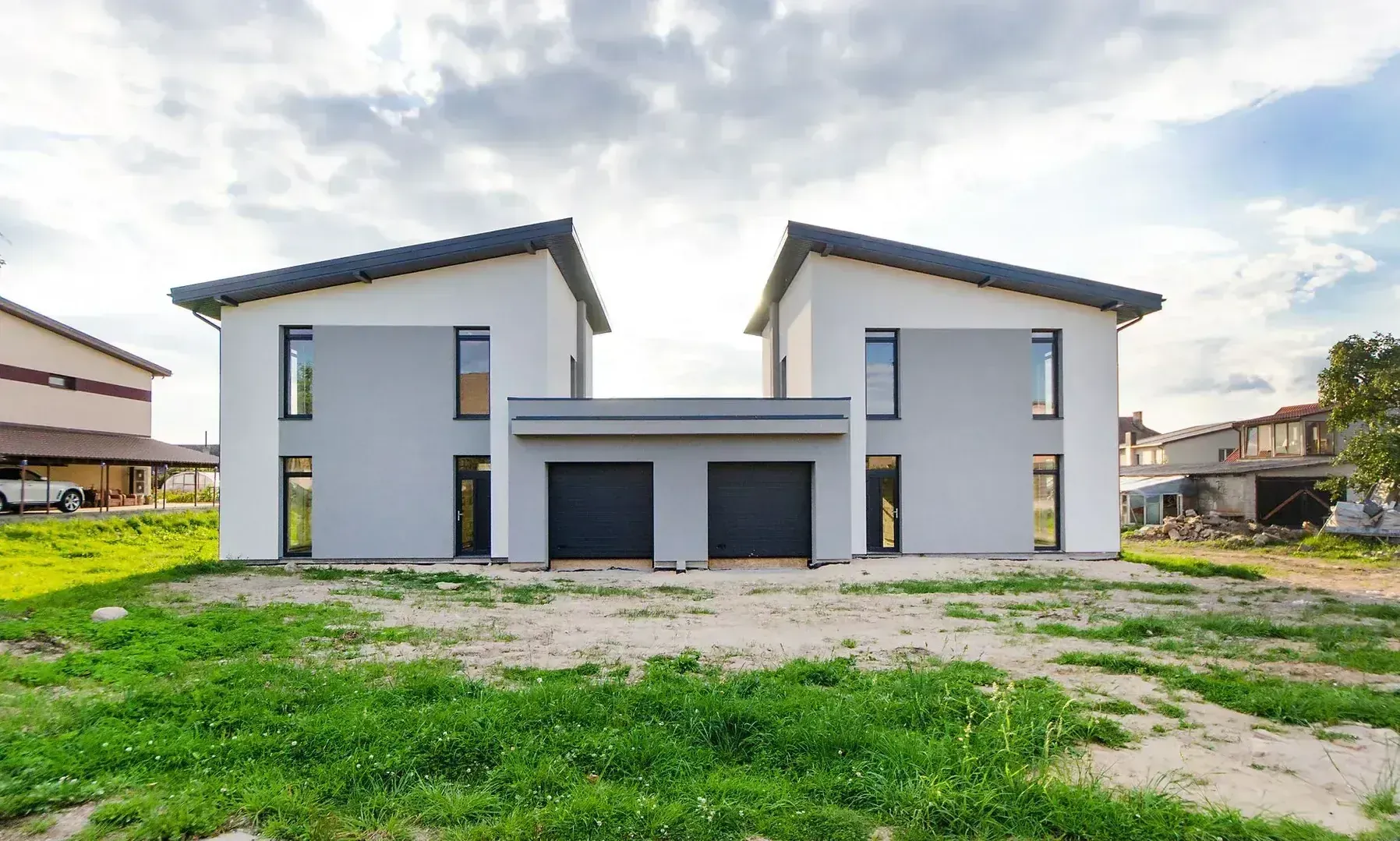
Centerville and Niles host many 1950s-60s Eichler homes with shallow-pitch roofs vulnerable to summer heat.
Warm Springs and South Fremont have newer two-story tract construction from the 1980s-2000s, where roof complexity and multiple penetrations mean flashing failures are common.
Older Victorian and Craftsman homes scattered across the area need careful attention to roof deck and soffit ventilation.
Summer heat exceeding 95 degrees systematically degrades roofing materials. In low-humidity climates, asphalt shingles become brittle over time, losing the flexibility needed to handle thermal cycling.
Underlayment degrades faster. Properties with shallow-pitch roofs—common in 1950s-60s Eichler-style construction—are more exposed to sun and require consistent maintenance schedules.
Winter storms arrive rarely but with intensity. When they do, water intrusion accelerates quickly because gutters and flashing often haven't been serviced in years.
Older Victorian and Craftsman-era homes face particular risk because their framing predates modern drainage design.
We've found rot progressing in roof decks and rafter systems after just one or two seasonal storms.
Low humidity masks deterioration. You won't see mold or soft spots until decay is substantially advanced.
We recommend fall roof inspections after any significant rain event, and every estimate includes step flashing, counter-flashing at chimneys, and pipe boots—those three areas account for 80% of the leaks we repair.
Call for roofing enquiries. Confirm coverage and availability with the independent provider before booking.
Call (650) 414-5505