Roof Inspection
We assess roof condition, identify fog-driven algae and storm damage before seasonal rain events strike.
Home/City guides/ Mountain View
A local roofing guide · CA
sits at roughly 82 feet in Santa Clara County, where marine fog rolls through Whisman and Cuesta Park most mornings.
Roofing enquiries: 6504145505A referral service. Independent local providers perform the work; confirm coverage, availability and charges directly.

Before comparing quotes
Compare scope before price
No price range is supplied in this guide. Ask the independent provider for a written estimate for your property.
Compare tear-off versus overlay and allowances for concealed decking damage.
Compare underlayment, flashing replacement and the proposed roof system, not just the covering.
Confirm permit responsibility, disposal and inspection charges before authorising work.
Match the request to the roof
We serve zip codes 94039, 94040, and 94041 across residential, commercial, and mixed-use properties.
We assess roof condition, identify fog-driven algae and storm damage before seasonal rain events strike.
Same-day response to thunderstorm and rare hail damage; we stabilize roofing and prevent secondary water intrusion into the roof deck.
Standing-seam metal panels installed with proper ventilation and waterproofing for 30+ years durability in coastal fog conditions.
Complete tear-off, ice-and-water shield at valleys, synthetic underlayment, and proper fastening with ring-shank nails.
TPO and EPDM installation for townhomes and flat-roof structures with self-adhered underlayment and drainage pitch.
Pressure-wash fog-accumulated algae and apply roof coating to extend shingle lifespan and restore appearance.
Property, access & exposure
Mid-century modern single-family homes mix with contemporary tech-era townhomes and distinctive Eichler-style post-and-beam residences.
These neighborhoods feature diverse roofing systems—pitched asphalt shingles on older homes, low-slope TPO membranes on newer townhomes, and complex eave structures on mid-century estates.
Each style demands specific expertise to weather fog, rare storms, and year-round moisture patterns.
Roofing in Mountain View
Mountain View sits at roughly 82 feet in Santa Clara County, where marine fog rolls through Whisman and Cuesta Park most mornings.
That moisture settles on rooftops and never fully dries before afternoon sun hits.
Housing here spans mid-century single-family homes from the 1950s–1960s and Eichler-style post-and-beam designs with open floor plans. North Bayshore and Downtown add contemporary tech-era townhomes.
Our climate is mild, with minimal winter rain.
But rare intense summer thunderstorms dump fast water on aging shingles, and UV degradation slowly cooks asphalt shingle surfaces year-round.
Fog-driven moisture plus sun equals blistering and granule loss.
What Roof Maintenance Includes
A proper visit is not a quick look from the driveway. We walk the roof deck, probe soft spots, and document every defect before recommending work.
After work, a magnetic sweep pulls stray nail and fastener debris from the yard. Cleanup matters as much as the repair.
Quality & Materials Standards
Material choice follows the house. Eichler-style post-and-beam homes often carry low-slope sections best served by membrane systems like tpo or epdm.
Traditional gable and hip roofs take asphalt shingle, architectural shingle, or standing-seam panel.
On steep-slope roofs we install synthetic underlayment and ice-and-water shield at valleys and eaves — even in a mild climate, wind-driven rain finds weak points.
Correct flashing at every penetration is what actually keeps water out.
Every job follows building code and we provide claim documentation for storm damage.
If you file an insurance claim, we work with your adjuster on scope of work and supplement. Deductible and depreciation terms are explained upfront, no surprises.
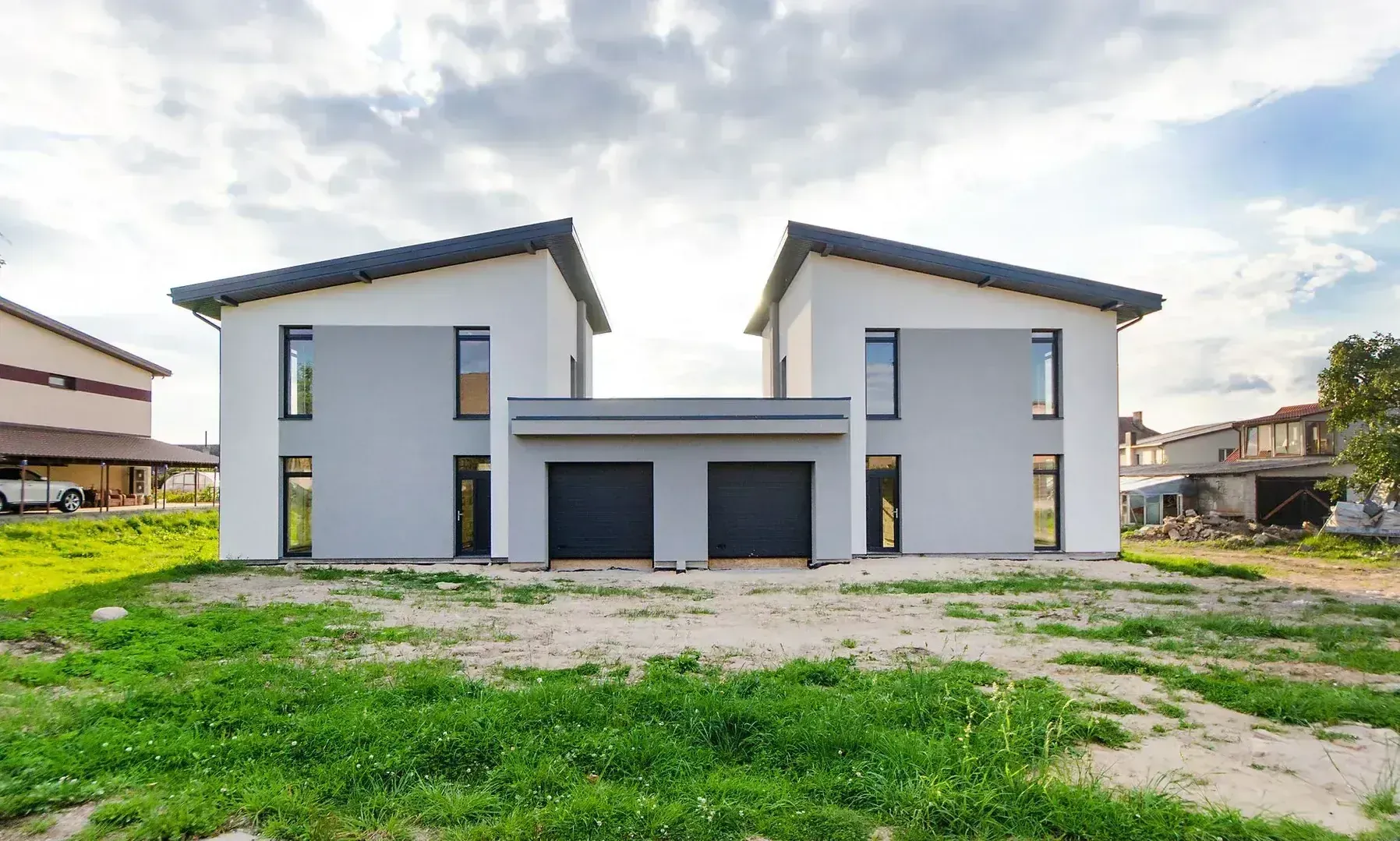

Historic core with a mix of older homes and newer infill, where rooflines vary block to block.
Tech-era construction near the Googleplex, dominated by contemporary townhomes and condominiums.
Quieter residential streets with larger lots and a broad mix of roof ages and styles.
Close to Stevens Creek, with morning fog that keeps roofs damp longer than inland areas.
Family neighborhood of mid-century homes near the park, many still on original roofs.
Established Eichler tract neighborhood where open floor plans meet distinctive flat and low-slope roofs.
Before booking
Persistent morning fog creates constant moisture on north-facing pitches, accelerating algae and moss growth that breaks down shingle granules.
Fog-trapped moisture wicks into valley areas and flashing joints, promoting rot in the roof deck substrate and compromising waterproofing over time.
Metal standing-seam panels and TPO membranes shed intense rainfall quickly. Asphalt shingles work on pitched roofs if flashing and valleys are sealed correctly.
Proper ice-and-water shield at valleys and synthetic underlayment prevent water intrusion during rare but severe storms.
Twice yearly—spring and fall. Fog-driven algae growth accelerates in wet seasons; thunderstorms can loosen shingles and compromise flashing.
Early detection prevents costly water damage to the roof deck and interior structural rot.
Call for roofing enquiries. Confirm coverage and availability with the independent provider before booking.
Call (650) 414-5505