Home/Services/Commercial Roofing
Commercial Roofing in San Jose, CA
San Jose Roof Repair handles flat-roof and low-slope commercial systems that keep warehouses, offices, and multi-unit properties dry through winter rain storms and intense summer heat.
Call 650-414-5505 for a free roof inspection and estimate—we'll assess your TPO, EPDM, or modified bitumen membrane and help you understand what your roof needs.
- Referral site, not a contractor
- Scope in writing first
- No obligation to book
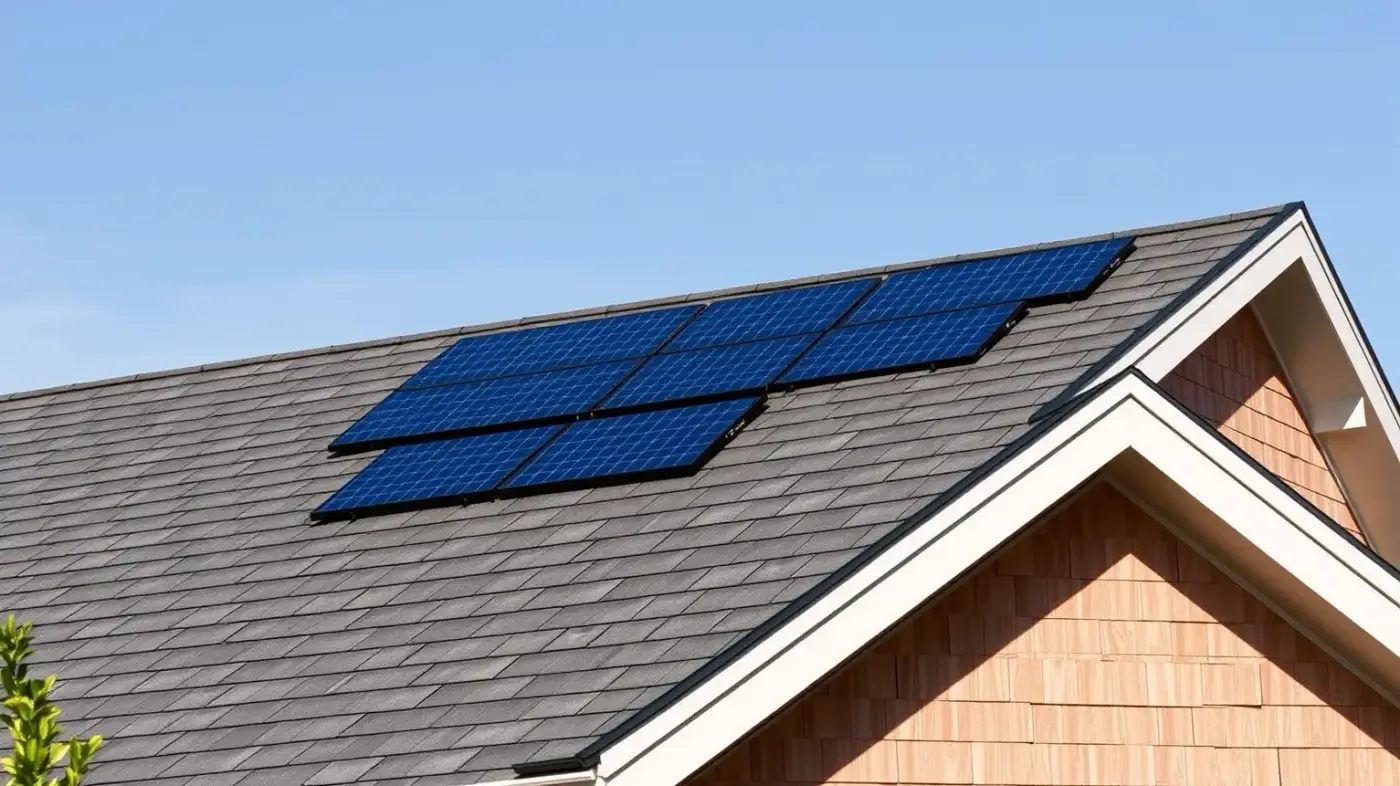
What to expect
What a commercial roofing visit covers
Commercial roofing differs from residential work because your roof is the first line of defense against widespread water intrusion that can shut down operations.
Low-slope rooflines—common on office parks and industrial buildings—require a durable membrane system like TPO, EPDM, or built-up roof (BUR), not asphalt shingles.
We install these single-ply membranes over your existing roof deck and insulation, then secure them with mechanical fasteners and adhesive, sealing all seams to meet Santa Clara County building code.
The process typically takes 3–5 days depending on roof size, weather, and whether your substrate requires reinforcement.
Winter storms here dump heavy rain onto flat roofs, so proper roof deck ventilation, flashing at parapets and edges, and a coating that resists ponding water matter.
Modified bitumen systems—tar-and-pitch alternatives—offer a different durability profile and often cost less upfront, though material warranties vary.
We use roof cement and mastic to seal seams and penetrations, ensuring long-term waterproofing under San Jose's intense summer heat and heavy winter rain.
Regardless of system, we'll walk you through the trade-offs and help you choose based on your facility's age, budget, and tenant lease terms.
A roof inspection before you decide is essential.
We check for granule loss, membrane peeling, water seepage, and coping damage using ladder and safety harness—protocol for safe work at height.
Once we know the scope, we provide a detailed line-item estimate that breaks down material costs, labor, and any necessary scaffold rental or dumpster service.
We'll also review your parapet, ventilation, and pipe boot conditions so you understand the full picture of your roof deck's condition.
- Complete roof inspection identifying membrane condition, flashing integrity, and ponding areas on the roof deck
- Assessment of existing TPO, EPDM, modified bitumen, or built-up roof systems and warranty periods
- Building code review for parapet design, roof ventilation systems, fascia protection, and safety anchor requirements
- Detailed line-item estimate with materials (membrane, underlayment, sealant, roof cement), labor, scaffold rental, and debris removal
- Roof membrane installation over substrate and decking with proper fastener application and adhesive sealing at seams
- Flashing repairs at edges, eaves, parapets, skylights, pipe boots, and vent penetrations using mastic and waterproofing sealant
- Coating application at all membrane transitions and quality inspection before warranty documentation
- Safety protocols including harness use, ladder placement, and site coordination with debris removal via dumpster
Money
What drives the price
Commercial pricing is driven by system specification, access and how work is phased around the building’s use.
Before you book
Fees for commercial roofing in San Jose are set by the provider you choose, not by this site.
Ask for the number and the deliverable in writing before anyone starts.
- Membrane system
- TPO, EPDM and modified bitumen differ in cost, seam method and warranty structure.
- Roof area and details
- Large flat areas price per square foot; the penetrations, drains and curbs are priced by count and complexity.
- Disruption plan
- Phasing around tenants, operating hours and safety requirements adds management time.
- Warranty level
- A materials-only warranty and a full no-dollar-limit system warranty are different products at different prices.
The steps
How a commercial roofing job gets scoped
Commercial Roof Replacement Follows a Four-Stage Process From Inspection to Warranty
Roof Asset Survey
For commercial roofing: the provider documents existing membrane, slopes, drainage and penetrations across the San Jose roof, and the survey becomes part of the building record.
Specification and Quote
For commercial roofing: the proposed system (TPO, EPDM, modified bitumen) should be matched to the building, with manufacturer details and warranty terms stated in the quote.
Confirm Disruption Plan
For commercial roofing: ask how the provider phases work around tenants, what substrate prep and seam details it follows, and which standards those details meet.
Warranty and Handover
For commercial roofing: manufacturer warranty registration and the final documentation package should be handed to ownership with the drainage verification record.
What you are looking at
Commercial Roofing work, in detail
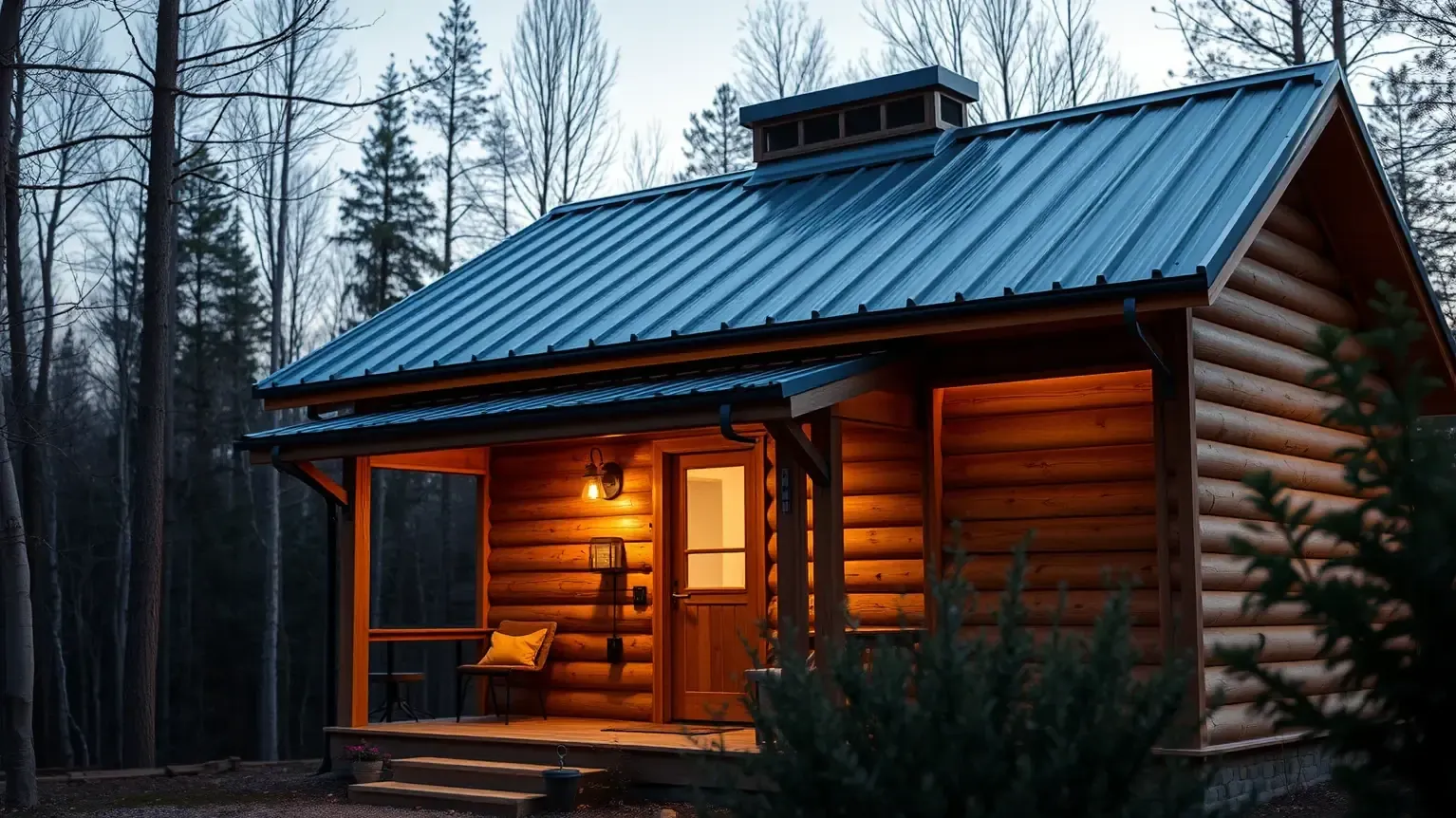
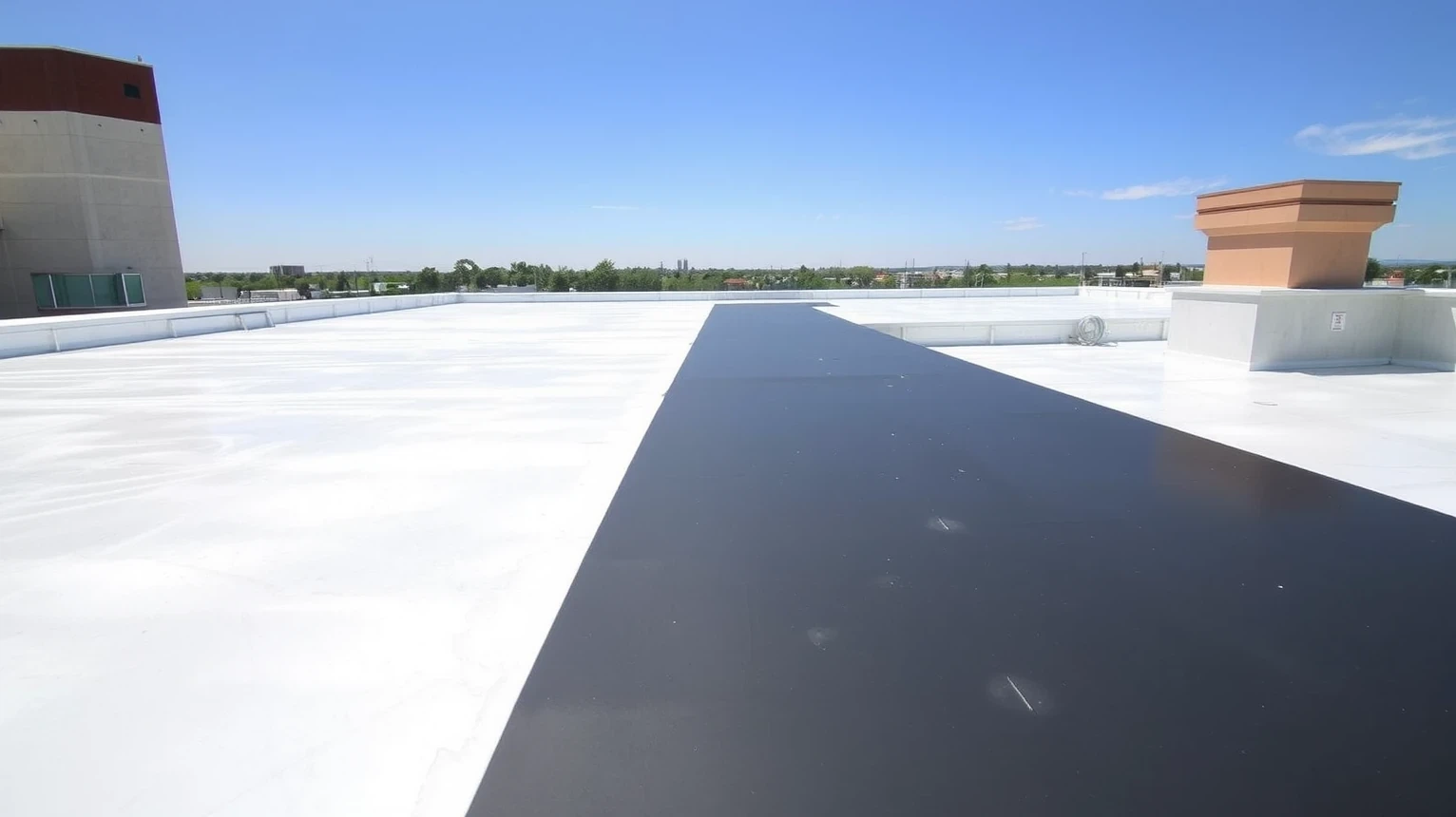
Spot it early
Signs you need commercial roofing
Check these from the ground or from inside a San Jose house before you call about commercial roofing.
Never climb onto a wet or steep roof to confirm any of them.
Warning Signs Your Commercial Roof Needs Repair
- Pooling water or visible sag on the roof decking after winter rain storms—standing water erodes membranes faster than dry summers allow
- Seams separating or membrane peeling at edges, parapets, eaves, and fascia where movement stresses the substrate
- Granule loss or alligatoring patterns on the membrane surface, signaling UV degradation from San Jose's intense summer sun
- Water stains or mold on interior ceilings and walls—moisture wicking through underlayment into attics or occupied spaces signals a breach
- Visible cracks, blisters, or punctures in the membrane, especially around roof penetrations like skylights, pipe boots, and HVAC vent boots
- Soft spots, spongy sections, or rotting decking when you walk the roof or inspect from a ladder—substrate failure spreads quickly
- Flashing rust or corrosion at chimney, metal panel seams, where counter-flashing meets a parapet, or around gutter connections
- Visible roof cement failure or gaps where flashings separate from the membrane or underlying components break down
Straight answers
Who does what
-
The provider
For commercial roofing in San Jose, the provider inspects, writes the scope, quotes the price and carries the warranty.
The licence, the insurance and the workmanship are theirs, so ask to see the documents.
-
This site
Publishes what to check about commercial roofing and connects you with providers working in San Jose.
It does not inspect, quote or perform the work, and you do not pay it.
-
You
Compare commercial roofing scopes from San Jose providers like for like, verify each licence and insurance certificate, and approve the price before anything starts.
Questions
Commercial Roofing in San Jose
What's the best membrane material for a commercial roof in San Jose?
TPO and EPDM are both excellent choices for our climate.
TPO resists the intense summer sun and winter rain storms well, while EPDM offers lower initial cost.
Modified bitumen is a third option if you want a tar-based system. We'll review your facility's age, budget, and warranty needs to recommend the best fit.
How long does a commercial roof replacement take?
Most replacements take 3–5 days depending on roof size, weather, and whether we need scaffold rental for safety.
Winter rain can delay work, so we schedule installations during dry windows. You'll stay operational—we coordinate with your tenants and schedule work to minimize disruption.
What warranty comes with a new commercial roof?
Material warranties typically run 15–30 years depending on membrane type and manufacturer (TPO, EPDM, or modified bitumen). Workmanship warranties cover labor for the first 10 years.
We provide full documentation so you can transfer the warranty if you sell the building.
Do I need a roof inspection if my roof isn't leaking yet?
Yes. An inspection catches early signs of membrane degradation, flashing corrosion, and ponding water before they become expensive problems.
Winter storms here stress rooflines fast, and a yearly check—especially on older commercial buildings—can add years to your roof's life and prevent tenant complaints.
What does building code require for a commercial roof in San Jose?
Santa Clara County code requires adequate ventilation, proper parapet height, flashing at all edges and penetrations, and safety anchors if the roof is used for HVAC or antenna work.
We pull permits and ensure your new membrane, substrate, and insulation meet current code before work begins.
Can work be phased around our opening hours?
Often yes. Ask for a written phasing plan covering access, noise, deliveries and safety before you sign.
What warranty should we expect?
Ask for the manufacturer’s system warranty terms in writing, including what voids it and who inspects the finished work.
Do we need an engineer?
For structural changes, added equipment or certain membrane systems, yes. Ask whether that is included in the scope.
Commercial Roofing across San Jose Metro
Commercial Roofing in San Jose — ask for the scope before the price
Describe the commercial roofing problem in San Jose and a local provider confirms the fee, the access plan and when the written findings arrive.
Call (650) 414-5505San Jose Roof Repair is an independent referral website for San Jose. Local roofing providers perform any inspection, repair or replacement.